
How to Fix Dead Electrical Outlets Safely at Home

Updated: Nov 14
Last Updated: November 12, 2026
Quick Summary
Dead electrical outlets are usually caused by a tripped breaker, a tripped GFCI, or a loose connection inside the device. Start by testing with a known-working lamp, pressing the GFCI reset button, and checking the breaker panel for a tripped switch. If the outlet stays dead after these safe checks, stop and call a licensed electrician.
Never poke anything into outlet slots or open a panel to take a look.
A tripped breaker usually sits between ON and OFF, not fully to either side.
One tripped GFCI can knock out several downstream outlets on the same circuit.
Stop using any outlet with scorch marks, a burning smell, buzzing, or warmth.
Call an electrician if a breaker trips again after reset or a GFCI won't reset.
Outlet still dead after a reset?
Thevenin Electric troubleshoots and repairs dead outlets across Corvallis and nearby towns.
Table of Contents
Safety First: What to Check Before You Touch a Dead Outlet
A dead electrical outlet is usually a tripped breaker, a tripped GFCI, or a loose connection inside the device, and the safest first move is to keep your hands out of the box until you know which one it is. Electricity doesn't warn you before it bites. So before you touch anything, follow a few ground rules. None of them require tools, and all of them keep you safe.
Never poke anything into the slots of an outlet.
Never remove a cover plate or open a panel to "take a look."
Keep the area dry, and stand on a dry floor.
If you smell burning or see scorch marks, stop and call an electrician.
If anyone in the home is unsure, treat the outlet as live.
The checks below are limited to what a homeowner can safely do: resetting devices, testing with a lamp, and looking at the breaker panel from the outside. Anything past that belongs to a licensed electrician. Here is how a licensed electrician would typically walk through it.
Step-by-Step: How to Troubleshoot Dead Electrical Outlets
Troubleshooting dead electrical outlets starts with the simplest causes and works outward, from the device itself to the circuit feeding it. Most dead outlets trace back to one of three things: a tripped breaker, a tripped GFCI, or a failed connection. You can rule out the first two without opening anything.
Work through these checks in order:
Try a lamp you know works in the dead outlet.
Look for a GFCI nearby and press its reset button.
Check the breaker panel for a tripped switch.
Test other outlets in the same room.
Note anything that looks or smells wrong.
That sequence tells you a lot before you spend a dime. A dead outlet that comes back after a reset is a different problem from one that stays dead with the breaker on.
Check the Breaker Panel
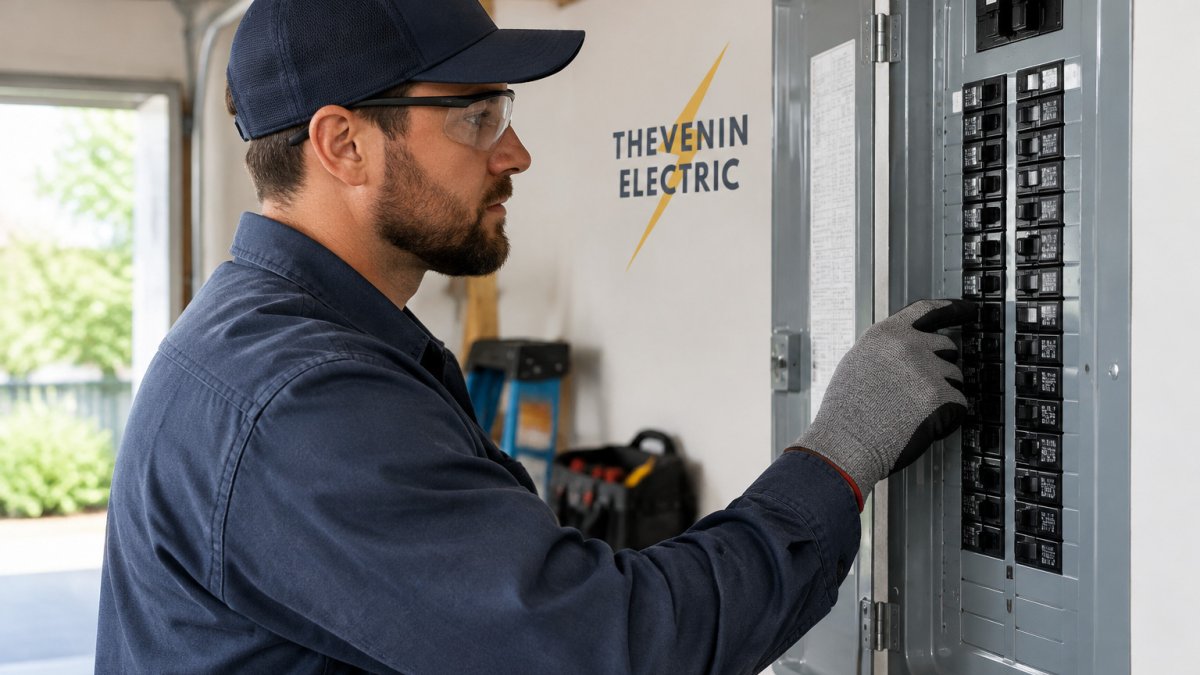
Look at the panel from the outside, with the door closed or open only enough to see the switches. A tripped breaker usually sits between ON and OFF, not fully to either side. Don't force it. If it flips back to the middle as soon as you reset it, stop there. That is a sign of a real fault, and repeated resetting can damage wiring. Leave it off and call a licensed electrician. Also watch for a breaker that feels warm or smells hot. Those are reasons to stop, not reasons to try harder.
Test the Outlet With a Lamp or Tester
Plug in a lamp you know works. If it stays dark, move the lamp to a nearby outlet to confirm the lamp itself is fine. A plug-in circuit tester gives you a bit more detail, but it is not a substitute for a proper diagnosis. What matters is the pattern. One dead outlet is usually a local problem. Several dead outlets in the same area point to the circuit. Write down what you find, because that information helps an electrician find the cause faster.
Work through these checks in order before you spend a dime.
Step | What to do |
1 | Try a lamp you know works in the dead outlet |
2 | Look for a GFCI nearby and press its reset button |
3 | Check the breaker panel for a tripped switch |
4 | Test other outlets in the same room |
5 | Note anything that looks or smells wrong |
Power Outlet Not Working but Breaker Not Tripped: What It Means
A power outlet not working but breaker not tripped usually means the problem sits between the panel and the outlet, not at the breaker itself. The three most common culprits are a tripped GFCI upstream, a loose connection at the device, or a failed outlet. The breaker only trips when current goes where it shouldn't. A loose wire or a worn receptacle can fail without ever drawing enough current to trip anything.
That is why this situation deserves attention rather than a shrug. A loose connection can heat up over time. If you have already reset the GFCI and checked the breaker, and the outlet is still dead, the next step is professional. For a deeper look at what trips breakers and what each cause signals, read our guide on why breakers keep tripping.
How to Reset a GFCI Outlet and Restore Power
To reset a GFCI outlet, press the RESET button firmly until it clicks, then test the outlet with a lamp. If it holds, you are done. If it trips again right away, the GFCI is doing its job and protecting you from a real fault. Leave it and call an electrician.

GFCI outlets protect kitchens, bathrooms, garages, and outdoor receptacles, and one tripped GFCI can knock out several downstream outlets on the same circuit. Look for a GFCI in the same room, or even in an adjacent room, before assuming the dead outlet is faulty. If the RESET button won't stay in, or the outlet feels warm, stop pressing it. That is a job for a licensed electrician.
Multiple Outlets Not Working: Tracing the Shared Circuit
When multiple outlets stop working at once, the cause is almost always shared: one tripped GFCI, one tripped breaker, or one bad connection feeding the rest of the circuit. Outlets are wired in a chain, so a failure early in that chain takes down everything after it. That is why a bedroom outlet can go dead because of a GFCI in the bathroom down the hall.
Walk the room and note which outlets are dead and which still work. The boundary between them is a clue. If every outlet on one side of a room is dead and the other side is fine, the problem likely sits at the last working outlet or the first dead one. Don't open either one yourself. Hand that map to an electrician and the diagnosis gets quicker.
Signs of a Faulty Electrical Outlet You Should Not Ignore
Some outlet symptoms are cosmetic. Others are warnings. These are the ones we treat as urgent:
Scorch marks or discoloration around the slots
A burning smell near the outlet
Buzzing or crackling sounds
A outlet that feels warm to the touch
Cracks in the faceplate or the device itself
Plugs that fall out or fit loosely
Sparks when you plug something in
Any one of these means stop using the outlet. A buzzing outlet often points to a loose connection, and loose connections are a common cause of electrical fires. Our article on what causes buzzing sounds in electrical wall outlets explains what each sound usually means.
When to Stop Troubleshooting and Call a Licensed Electrician
Stop troubleshooting and call a licensed electrician when a breaker trips again after reset, a GFCI won't reset, an outlet is warm, scorched, or buzzing, or you have already checked the simple causes and the outlet is still dead. Those signs mean the work has moved from safe checks to live electrical diagnosis.
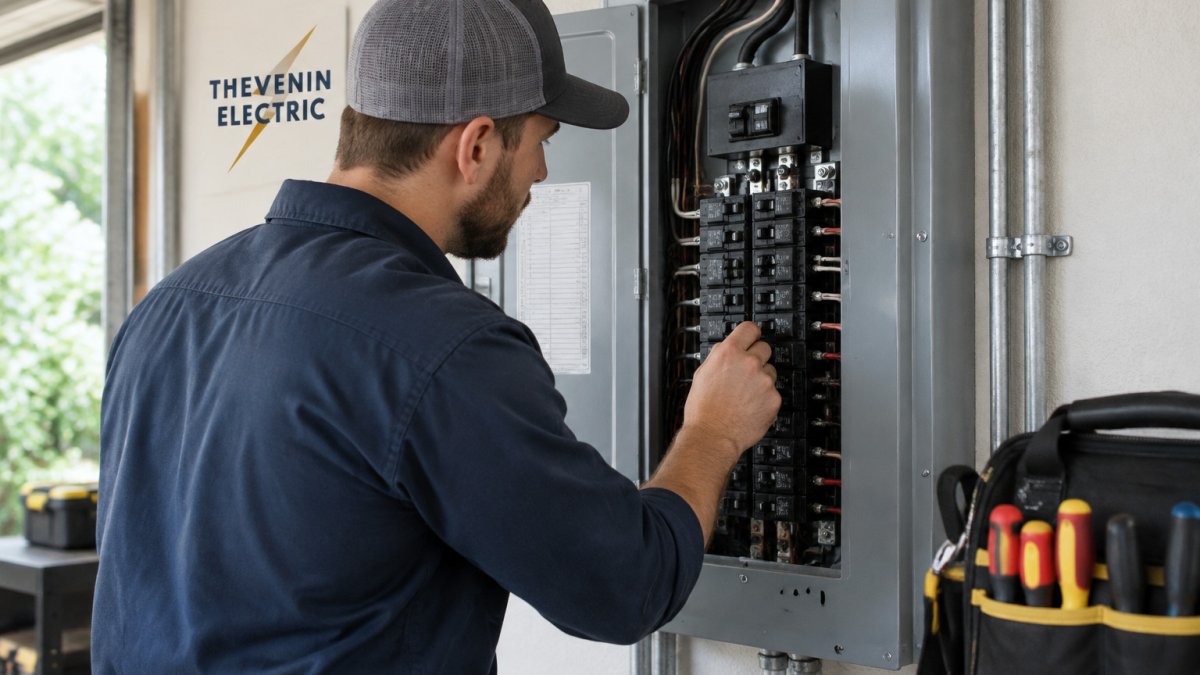
A licensed electrician typically traces the circuit with proper test equipment, checks connections at the device and upstream, and confirms the fix meets current code. If you want to know what that service involves before you call, our overview of residential electrical repair services walks through it. For homeowners in Corvallis, Albany, Lebanon, or Philomath who would rather have it looked at now, electrical troubleshooting in Corvallis, OR is where to start.
Request Electrical Troubleshooting for Your Dead Outlets
If you have reset the GFCI, checked the breaker, and the outlet is still dead, the next step is a proper diagnosis. Thevenin Electric is a family-owned, licensed, bonded, and insured electrical contractor, and an Energy Trust of Oregon Trade Ally. You work directly with the licensed electrician doing the job.
Thevenin Electric provides residential electrical services across Corvallis, Albany, Philomath, Lebanon, and nearby communities. Call (541) 250-3503 or request a quote and we will take a look.
Dead outlets are rarely a mystery once someone traces the circuit properly. If yours has you stumped, don't keep resetting the same breaker. Thevenin Electric provides electrical troubleshooting and repair with clear communication, code-compliant work, and a licensed electrician on every job. Get started with Thevenin Electric and get your outlets working safely again.
Frequently Asked Questions
Can a dead outlet be fixed?
Most dead electrical outlets can be fixed once the cause is found. A tripped breaker or GFCI is usually a quick reset. Loose wiring at the outlet, a failed device, or a damaged connection further back on the circuit takes a licensed electrician to diagnose and repair. If the outlet shows burn marks, smells like burning, or feels hot, stop using it and have it evaluated before anything else on that circuit is used.
Why are my outlets not working but the breaker is not tripped?
A power outlet not working but breaker not tripped usually points to a GFCI upstream on the same circuit that has tripped, a loose wire at the outlet or at another device on the circuit, or a failed outlet. Press the reset button on any GFCI outlets in the area, including ones in bathrooms, kitchens, garages, and outdoors. If those reset and the outlet still has no power, the problem is in the wiring and needs professional testing.
Why did multiple outlets in one room suddenly stop working?
Multiple outlets not working almost always share one circuit, so a single fault kills all of them at once. The usual causes are a tripped GFCI protecting the circuit, a tripped breaker, or a loose connection at one outlet that breaks power to the rest downstream. Check the GFCI and breaker first. If both are fine, do not keep resetting things, because a loose connection can overheat and is a fire risk until an electrician finds it.
When should I call an electrician about a dead outlet?
Call a licensed electrician if a GFCI will not reset, the breaker trips again right after you reset it, outlets are dead after you have checked both, or you notice signs of a faulty electrical outlet such as discoloration, a burning smell, buzzing, or a loose plug. Those signs point to wiring or device problems that testing equipment and code knowledge are needed to fix safely.
Comments