
EV Charger Installation Cost 2026: Complete Breakdown

Updated: Nov 14
lational installationnstallationand up for electrical iTable of Contents
Last Updated: October 11, 2026
What You'll Pay for EV Charger Installation in 2026
Installing a Level 2 EV charger at home requires more than simply purchasing the charging equipment. The actual cost depends on your home's electrical system, the location of the charger, local permitting requirements, and whether additional electrical work is necessary.
Understanding these variables helps homeowners budget accurately and avoid unexpected expenses.
At Thevenin Electric, straightforward residential EV charger installations near an existing electrical panel may start around $650 and up for electrical installation, depending on the equipment, circuit requirements, and installation conditions. This estimate does not necessarily include the charging station itself, permitting, or additional electrical upgrades.
More complicated installations involving longer wiring runs, difficult access, trenching, or electrical panel upgrades can cost considerably more.
The total project cost generally includes three components:
Charging equipment: The Level 2 charging station or compatible charging receptacle.
Electrical installation: Wiring, conduit, circuit protection, mounting, connections, and labor.
Additional requirements: Permits, inspections, load management equipment, or electrical system upgrades when necessary.
The difference between a straightforward installation and a complicated one often comes down to three factors: the distance between the electrical panel and charger, the home's available electrical capacity, and the installation requirements.
Key Takeaway EV charger installation costs vary significantly depending on the existing electrical system. A charger installed near a panel with adequate capacity generally costs less than one requiring extensive wiring or electrical upgrades.
Level 2 EV Charger Installation Cost: Breaking Down Hardware and Labor
A Level 2 EV charger operates on 240-volt power, similar to many electric dryers and ranges. However, the electrical requirements depend on the charging equipment, its output rating, and the installation method.
The charging station itself is separate from the cost of installing the electrical circuit.
Some homeowners purchase their own charging equipment, while others prefer their electrician to supply it. Either approach can work, provided the equipment is appropriately listed, compatible with the vehicle, and suitable for the installation location.
Electrical installation typically involves running a dedicated branch circuit from the electrical panel to the charging location. Depending on the equipment and installation conditions, this may include conduit, conductors, a circuit breaker, a receptacle or hardwired connection, and mounting the charging station.
For example, a charger delivering 40 amps generally requires a 50-amp branch circuit because EV charging is considered a continuous load. A charger delivering 48 amps generally requires a 60-amp circuit.
Lower-amperage Level 2 charging options are also available and may be appropriate for homes with limited electrical capacity.
A straightforward installation with adequate panel capacity and a charger location near the panel typically requires less labor and fewer materials.
The project becomes more complicated when the charger is farther from the panel, wiring must pass through finished areas, or the existing electrical system requires modifications.
A 60-foot wiring route generally requires more materials and labor than a 10-foot route. Longer distances may also require evaluating voltage drop and potentially increasing conductor size.
Pro Tip When comparing EV charger installation quotes, confirm whether the price includes the charging equipment, electrical installation, permits, and any necessary upgrades. Understanding the scope is more important than comparing the final numbers alone.
EV Charger Installation Cost With Panel Upgrade: What to Expect
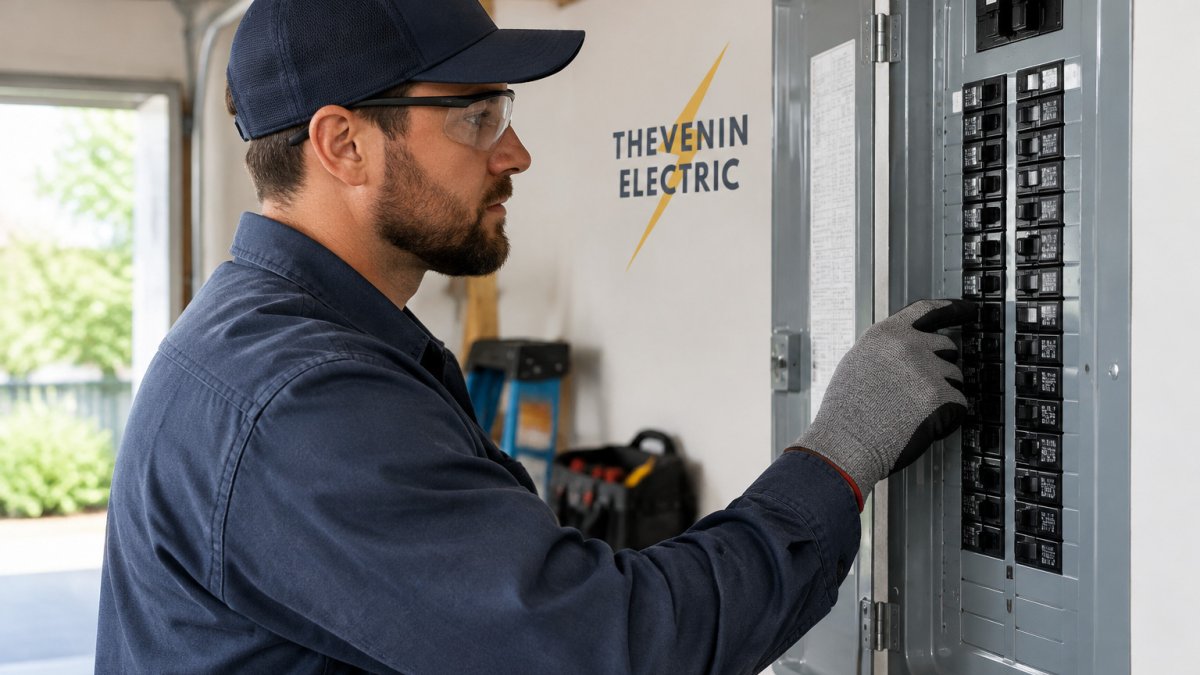
Electrical panel capacity is one of the most important considerations when installing a Level 2 EV charger.
However, an EV charger does not automatically require an electrical panel or service upgrade, even in homes with 100-amp service.
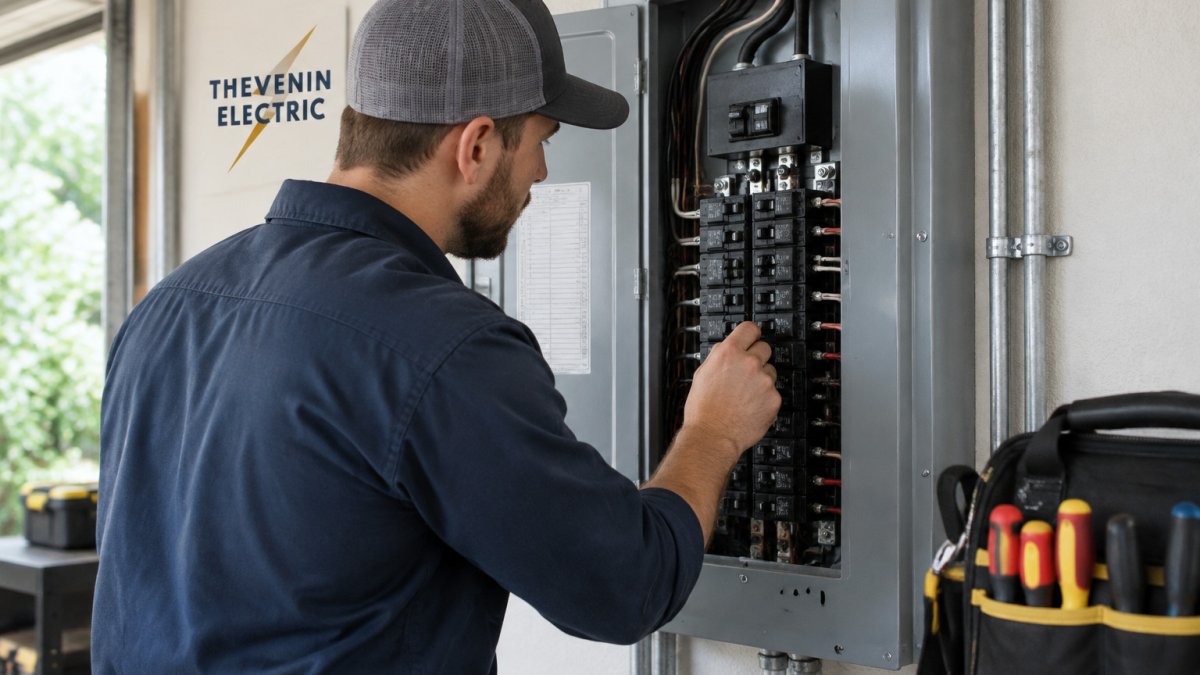
An electrician should evaluate the existing electrical system and perform an appropriate load calculation to determine whether the service can accommodate the proposed charging equipment.
A home with 100-amp service may have sufficient capacity for a lower-amperage Level 2 charger. Other homes may benefit from an approved energy management system that adjusts or limits charging based on the home's electrical demand.
These options can sometimes eliminate the need for an expensive service upgrade.
When the existing service cannot accommodate the additional load and practical alternatives are not suitable, upgrading the electrical service may be necessary.
A service upgrade can involve replacing the main electrical panel, increasing service conductor capacity, updating grounding and bonding, replacing service equipment, and coordinating with the utility company.
This work generally requires permits and inspections and can substantially increase the total project cost.
It's also important to understand the difference between a panel replacement, a subpanel installation, and a service upgrade.
Panel replacement: Replaces existing electrical distribution equipment but does not necessarily increase the electrical service capacity.
Subpanel installation: Provides additional breaker spaces but does not increase the home's available electrical service capacity.
Service upgrade: Increases the electrical capacity available to the home when properly designed and coordinated with the utility.
EV charging equipment is treated as a continuous load, so the branch circuit must be sized accordingly. The home's service capacity, however, is evaluated using applicable electrical load calculation requirements rather than a blanket rule limiting all household loads to 80% of the service rating.
For example, a 200-amp service is not automatically limited to 160 amps of total calculated household load simply because EV charging is involved.
A qualified electrician can determine whether the proposed charger can be installed using the existing equipment or whether modifications are necessary.
Factors That Drive Installation Costs Higher
Several installation conditions can increase the cost of a residential EV charger.
Understanding these factors helps homeowners anticipate expenses before requesting a quote.

Distance from Electrical Panel to Charger Location
The farther the charger is located from the electrical panel, the more wiring and conduit the installation may require.
A charger mounted directly beside an electrical panel is generally less expensive to install than one located on the opposite side of the home or in a detached garage.
Running wiring through finished walls, attics, crawl spaces, or underground pathways can add labor and material costs.
Longer wiring runs also experience greater voltage drop.
Depending on the circuit amperage, conductor material, installation method, and total distance, an electrician may recommend larger conductors to maintain acceptable voltage at the charger.
However, conductor size is not determined by distance alone. It must also account for the electrical load, conductor ampacity, temperature limitations, and applicable installation requirements.
The routing method also affects cost.
An exposed conduit installation along a garage wall may be relatively straightforward. Concealing wiring inside finished walls or installing underground conduit can require considerably more work.
Exterior installations may require weather-resistant equipment, suitable mounting methods, and additional protection against physical damage.
These details can significantly affect the final installation price.
Electrical Panel Capacity and Upgrades
Your existing electrical panel's condition, available breaker spaces, and electrical service capacity all influence the installation.
A panel with available breaker spaces does not necessarily have sufficient electrical capacity for an additional EV charging load.
Likewise, a panel that is physically full does not automatically require a complete service upgrade.
An electrician evaluates the existing electrical system and performs a load calculation based on applicable electrical code requirements.
This assessment considers major household loads such as heating and cooling equipment, water heaters, cooking appliances, dryers, and other electrical equipment.
If sufficient capacity exists, installing the charger may be relatively straightforward.
If capacity is limited, several options may be considered:
Installing a lower-amperage Level 2 charger.
Using an approved energy management system.
Adding a subpanel when additional breaker spaces are needed and sufficient capacity is available.
Upgrading the electrical service when necessary.
For homeowners who do not need the fastest possible charging speed, a lower-amperage charger may provide more than enough overnight charging capacity.
A complete electrical service upgrade should be recommended based on the actual electrical requirements, not simply because the home has 100-amp service.
Permitting and Inspection Requirements
Electrical permits are generally required when installing a new residential EV charging circuit, although specific requirements vary by jurisdiction and scope of work.
Some installations qualify for simplified permitting processes, while more complicated projects may require additional documentation or utility coordination.
Permit fees also vary depending on the location and project requirements.
Many straightforward residential installations require a final electrical inspection. Projects involving concealed wiring, underground installations, or service upgrades may require additional inspections.
Local jurisdictions may also have electrical code amendments or utility requirements affecting the installation.
A properly permitted installation helps verify that the electrical work meets applicable safety requirements.
Homeowners should confirm whether permitting and inspection costs are included in their electrical contractor's quote.
Home EV Charger Installation Time and Timeline
Most straightforward residential Level 2 EV charger installations can be completed in a single day.
When the electrical panel is nearby, sufficient capacity is available, and the wiring route is accessible, the physical installation may take only a few hours.
More complicated installations can require additional time.
Factors affecting the schedule include:
Distance between the electrical panel and charging location.
Accessibility of the wiring route.
Whether conduit must be installed through finished areas.
Underground wiring or trenching requirements.
Electrical panel modifications.
Permitting and inspection scheduling.
Utility coordination for service upgrades.
The total project timeline may be longer than the actual installation time because permits and inspections must be scheduled.
A straightforward installation may move quickly once the required approvals are obtained.
Projects involving electrical service upgrades can take longer because the electrical contractor, permitting authority, and utility company may all need to coordinate portions of the work.
Permit processing and utility scheduling vary considerably, so homeowners should avoid assuming that every project follows the same timeline.
An experienced electrical contractor can assess the installation conditions and provide a more realistic schedule based on the specific project.
Government Rebates and Tax Incentives for Installation
Government incentives and utility rebate programs can sometimes help offset the cost of installing EV charging equipment.
However, these programs change frequently, and homeowners should verify eligibility before relying on an incentive when planning their budget.
Federal EV Charging Tax Credit
The federal Alternative Fuel Vehicle Refueling Property Credit, commonly known as the Section 30C credit, was available for certain qualifying charging installations.
Under the federal legislation enacted in 2025, the credit is no longer available for property placed in service after June 30, 2026.
As a result, homeowners installing new charging equipment after that date should not assume a federal installation tax credit is available.
For information about historical eligibility or installations completed before the expiration date, consult the Internal Revenue Service or a qualified tax professional.
Oregon and Local Utility Incentives
Oregon homeowners may have access to certain utility or local incentive programs depending on their location, electrical utility, and the specific charging equipment being installed.
Eligibility requirements vary, and not every homeowner or EV charger installation qualifies.
Some programs may require particular equipment, installation standards, customer qualifications, or advance approval.
Thevenin Electric participates in the Energy Trust of Oregon Trade Ally network. However, participation in the network does not automatically establish eligibility for an EV charging rebate.
Homeowners should verify current program availability and eligibility directly with their utility or the relevant program administrator.
Researching incentives before purchasing equipment or beginning installation can help prevent unexpected expenses.
Key Takeaway: Never assume an EV charger installation qualifies for a rebate or tax credit. Confirm that the program is currently active and that the proposed equipment and installation meet its requirements.
EV Charger Installation Quote Checklist
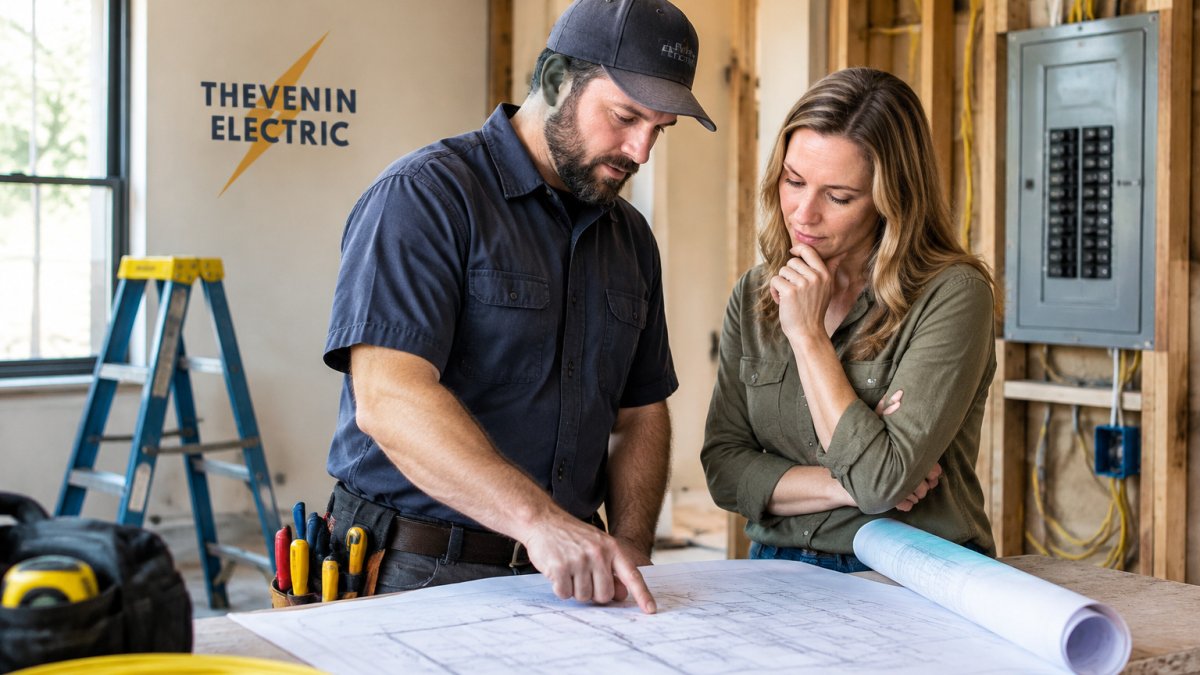
When requesting quotes from electricians, understanding the proposed scope of work helps ensure you're comparing similar installations.
Use the following checklist when reviewing an estimate:
Does the quote specify whether the charger hardware is included or supplied by the homeowner?
Does it identify the charging equipment or circuit amperage being installed?
Does it include the necessary wiring, conduit, breaker, and connections?
Has the electrician evaluated the electrical panel's available capacity?
Are any panel modifications, subpanels, or service upgrades clearly identified?
Does the installation price account for the distance between the panel and charger?
Are permits and inspections included or excluded?
Does the installation require trenching, wall openings, or other additional work?
Is the charging equipment suitable for the proposed installation location?
Is the estimated installation schedule reasonable?
Are any applicable rebates or incentives being considered?
Not every professional electrical quote needs to separate labor and materials into individual line items.
A clearly written scope of work and an accurate total price are often more useful than a lengthy itemized breakdown.
The important thing is understanding what the electrician will install, what the price includes, and whether any additional work could be necessary.
A qualified electrician should also be able to explain why a particular charging circuit or electrical upgrade is recommended.
Long-Term Maintenance and Repair Costs
Residential Level 2 EV charging equipment generally requires relatively little maintenance when properly installed and used according to the manufacturer's instructions.
However, homeowners should periodically inspect accessible equipment for visible damage or unusual operating conditions.
Warning signs may include:
Damaged charging cables or connectors.
Discoloration or evidence of overheating.
Loose or damaged mounting hardware.
Water intrusion or corrosion.
Repeated charging interruptions or electrical faults.
Unusual heat, odors, or noises during charging.
If any of these conditions occur, discontinue use and have the equipment evaluated by a qualified professional.
Charging equipment warranties vary by manufacturer and model. Some manufacturers offer multi-year warranties, but coverage and exclusions should be reviewed before purchasing.
Repair costs also vary significantly depending on the equipment and whether replacement components are available.
Some charging stations can be repaired, while others may require complete replacement.
When replacing an existing charger, the electrical circuit should be evaluated to confirm it is suitable for the new equipment. A replacement charger with different electrical requirements may require additional electrical work.
The wiring, conduit, and circuit protection associated with a properly installed charging circuit can provide many years of service.
There is no universal requirement for homeowners to schedule professional EV charger inspections every two or three years. Follow the manufacturer's maintenance recommendations and arrange professional evaluation when signs of damage, overheating, or electrical problems appear.
Homeowners should never open electrical panels, disassemble charging equipment, or attempt to tighten energized electrical connections themselves.
When you're ready to move forward with EV charger installation, Thevenin Electric provides professional residential electrical services, including dedicated charging circuits, electrical panel evaluations, and service upgrades when necessary.
We evaluate the existing electrical system and explain the available installation options so you can make an informed decision without paying for unnecessary upgrades.
Frequently Asked Questions
How much does it cost to install a Level 2 EV charger?
At Thevenin Electric, straightforward residential EV charger electrical installations near an existing panel may start around $650 and up, depending on the equipment and installation conditions. Charging hardware, permitting, longer wiring runs, and electrical upgrades can increase the total price. An on-site evaluation or detailed project assessment provides the most accurate estimate.
Does installing an EV charger require an electrical panel upgrade?
Not necessarily. Many homes can accommodate Level 2 EV charging using their existing electrical service. Even homes with 100-amp service may have suitable options, including lower-amperage charging or an approved energy management system. A load calculation helps determine whether an upgrade is necessary.
Is there a federal tax credit for EV charger installation in 2026?
The federal Section 30C tax credit ended for qualifying charging property placed in service after June 30, 2026. Homeowners completing new installations after that date should not expect to qualify for the expired federal credit. Certain local or utility incentives may still be available, depending on the program and location.
What factors make home EV charger installation more expensive?
Longer wiring runs, difficult access, underground conduit, trenching, electrical panel modifications, and service upgrades can increase installation costs. Permitting requirements and the charging equipment selected also affect the total price.
Can I install an EV charger with 100-amp electrical service?
Possibly. The answer depends on your home's existing electrical loads and the charging equipment you want to install. A lower-amperage Level 2 charger may be practical in some homes with 100-amp service. An electrician can evaluate the electrical system and recommend an appropriate solution.
Is a hardwired EV charger better than a plug-in charger?
Both installation methods can be appropriate when the equipment and electrical circuit are properly selected and installed. Hardwired chargers eliminate the plug-and-receptacle connection and may support higher charging outputs, depending on the equipment. Plug-in chargers offer flexibility but require a suitable receptacle and applicable electrical protection. The best option depends on the charger, installation location, and homeowner's needs.
How long does it take to install a home EV charger?
A straightforward installation can often be completed in a few hours or within one working day. More complicated projects involving long wiring runs, trenching, or electrical service upgrades can require additional time. Permitting and utility scheduling may extend the overall project timeline.
Can a subpanel solve an EV charger installation problem?
A subpanel can provide additional breaker spaces when the existing panel is full, but it does not increase the home's electrical service capacity. Whether a subpanel is appropriate depends on the existing electrical system and the results of a load calculation.
Should I buy the EV charger before contacting an electrician?
It's often helpful to consult an electrician before purchasing the charging equipment. Different chargers have different electrical requirements, installation methods, and mounting considerations. Confirming compatibility with your home's electrical system can help avoid purchasing equipment that requires unexpected upgrades.
Comments